

Peak season in Antalya isn’t subtle. Over 6.5 million foreign tourists had already passed through the city by July 20 this year, with numbers expected to approach 8 million by the end of the month.
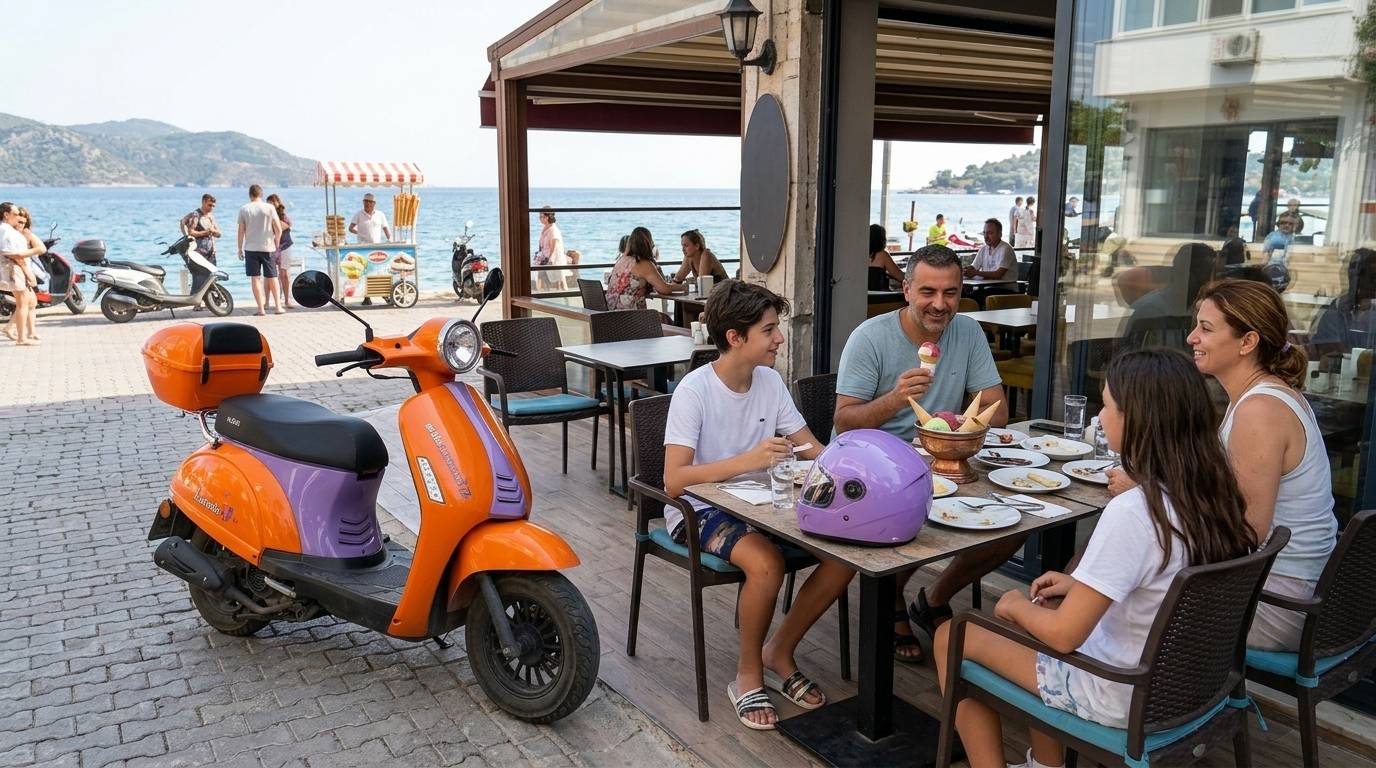
Hotel occupancy is sitting between 90% and nearly 100%. That’s a lot of people moving through the same streets you’re trying to use.
June through September in Antalya is serious heat, not “warm summer” heat. Average highs run from 30°C in June to 34°C in July and August, with July being the driest month of the year. Official records show peak temperatures hitting 44–45°C in July and August.
This changes how you should plan your day, not just what you pack. Midday between roughly 12 PM and 4 PM is when the city is at its most punishing — asphalt radiates heat, shade is scarce outside the old town, and standing at a bus stop becomes genuinely unpleasant.blog.
More tourists means more rental cars, more taxis, more tour buses circling the same hotel zones along the coast. The city centre and the main coastal road get congested specifically between 11 AM and 2 PM, right as the heat peaks. Add sun-drowsy drivers near hotel entrances and beach turnoffs, and the two problems compound each other.
Buses don’t escape this. A trip that covers roughly 15–20 minutes by direct route can take 30–60 minutes by bus once you account for transfers, detours through residential zones, and waiting time at stops in full sun.
Ride early. Kaleiçi before 9 AM is a different city — quiet streets, no crowds, tolerable temperatures. The same logic applies everywhere: beaches, viewpoints, old town streets. Whatever you want to see without a crowd, see it before 9.
Save exposed riding for morning and late afternoon. Between noon and 4 PM, plan for shaded or water-adjacent stops — waterfalls, parks, indoor sites — rather than long open rides.
Carry water, always. This isn’t optional advice, it’s the difference between an enjoyable day and heat exhaustion in a city where average highs sit near 34°C for four straight months.
Evenings are the reward. Temperatures drop into the high 20s after sunset, traffic eases, and the coastal roads become genuinely pleasant to ride. A sunset ride along the cliffs near Karaalioğlu Park costs nothing extra and avoids the entire midday problem.
A scooter doesn’t fix the heat. It fixes almost everything else.
You cut travel time roughly in half compared to bus routes on most beach and city trips — 15–20 minutes instead of 30–60. You don’t wait at a stop in direct sun. You don’t sit in a crowded, air-conditioned-in-theory vehicle stuck behind tour buses. You park exactly where you’re going, not wherever the nearest legal car spot happens to be during a 90–100% occupancy season.
One tank on a Lavanta Ride scooter covers up to 100 km, which is more than enough for a full day moving between beaches, the old town, and viewpoints without refuelling. If you do run low, refuelling yourself and uploading the receipt gets you a full refund plus a 15% bonus on your balance — useful on long summer days when you’re covering more ground than usual.
Plan around the heat, not against it: early mornings, shaded midday stops, evening rides. Expect the coastal road and city centre to slow down between 11 AM and 2 PM regardless of how you’re travelling. And when the choice is standing at a bus stop in 34-degree heat or riding straight to where you’re going, the scooter isn’t just the faster option — during peak season, it’s often the only one that doesn’t cost you half your day.